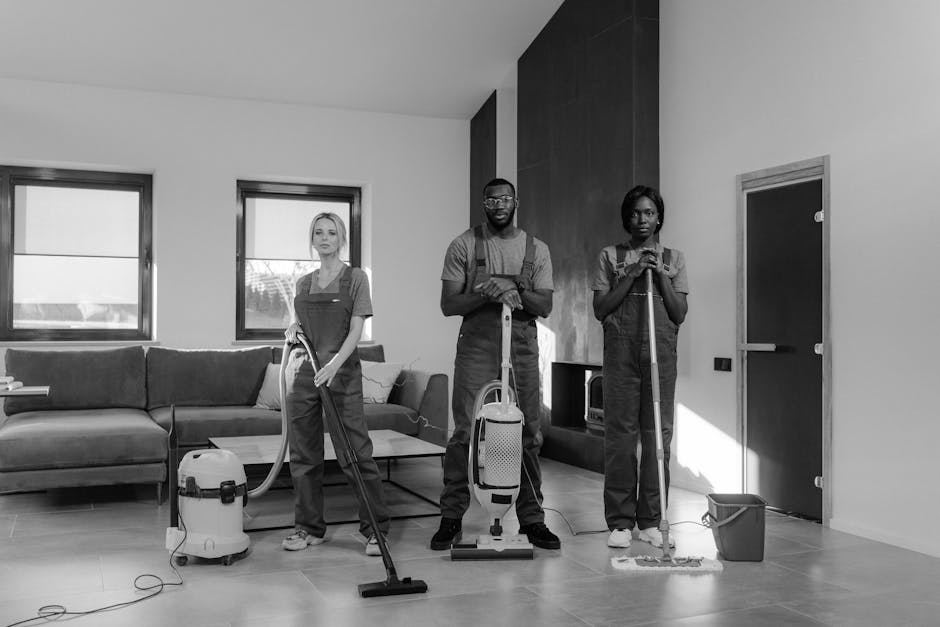
Sofa and upholstery cleaning for Rush Green high street businesses
If you run a shop, salon, office, cafe, or customer-facing venue on Rush Green high street, soft furnishings do a lot more work than people think. They take the brunt of daily use, collect crumbs, dust, spill marks, and the odd mystery odour, and quietly shape how your business feels the moment someone walks in. Sofa and upholstery cleaning for Rush Green high street businesses is not just about appearances. It is about comfort, hygiene, first impressions, and keeping fabrics in decent condition for as long as possible.
To be fair, most upholstery does not look filthy until it suddenly does. One busy week, a few wet coats, a spilled coffee, a rainy afternoon, and the fabric starts to look tired. This guide breaks down what professional cleaning involves, when it makes sense, what methods work best, and how to choose sensible maintenance for commercial spaces without overcomplicating it.
For broader cleaning support across your premises, you may also find commercial carpet cleaning and upholstery cleaning useful alongside sofa care.
Table of Contents
- Why sofa and upholstery cleaning matters
- How the cleaning process works
- Key benefits and practical advantages
- Who this is for and when it makes sense
- Step-by-step guidance
- Expert tips for better results
- Common mistakes to avoid
- Tools, resources and recommendations
- Law, compliance, standards, or best practice
- Options, methods, or comparison table
- Case study or real-world example
- Practical checklist
- Conclusion
- Frequently asked questions
Why Sofa and upholstery cleaning for Rush Green high street businesses Matters
High street businesses live and die on presentation. A clean window helps, sure, but the seating area is where people actually pause. It is where a client waits for an appointment, where a customer sips a takeaway drink, where a manager has an informal meeting, and where staff collapse for a minute between tasks. That means the sofa, banquette, armchair, and upholstered bench are doing visible front-of-house work every single day.
And because these furnishings are used by many people, they gather more than surface dust. Oils from skin, airborne grime, pollen, food residue, drink spills, and tracked-in street dirt all settle into the fabric. Over time, that can dull colours, flatten fibres, and leave a stale smell that cleaning wipes simply cannot fix. If you have ever walked into a room and thought, "It smells a bit closed in here," you already know the effect.
There is also a business trust angle. Clean seating suggests a business that pays attention to detail. That matters in salons, boutique retail, health and wellness spaces, hospitality waiting areas, and professional offices. A tired sofa can make the rest of the room feel less cared for, even if everything else is spotless. Funny how one fabric armchair can do that.
Regular sofa and upholstery care also helps protect the asset itself. Replacing commercial seating is expensive and disruptive. Cleaning on a sensible schedule extends usable life, helps preserve colour and texture, and can reduce the need for premature reupholstery.
Expert summary: For Rush Green high street businesses, upholstery cleaning is not a luxury touch-up. It is routine maintenance that supports appearance, hygiene, customer confidence, and the lifespan of commercial furniture.
How Sofa and upholstery cleaning for Rush Green high street businesses Works
Professional upholstery cleaning is usually more careful than people expect. It starts with identifying the fabric, the construction, and the type of soiling. That matters because a cotton blend, a synthetic office chair, and a velvet sofa all behave differently. Using the wrong method can leave water marks, texture distortion, or dye issues. Not ideal, obviously.
A proper clean generally follows a sequence like this:
- Inspection: The cleaner checks the fabric type, condition, stains, wear points, and access around the furniture.
- Pre-treatment: Loose dust and dry soil are removed, then targeted stain or traffic-area solutions are applied if suitable.
- Agitation or dwell time: The cleaning product is given time to break down dirt, or lightly worked into the fibres where appropriate.
- Extraction or controlled cleaning: Depending on the fabric, soil level, and furniture type, the cleaning is completed using low-moisture or hot-water extraction methods, or a more delicate specialist approach.
- Drying and finishing: Excess moisture is removed, pile is lifted where needed, and the item is left to dry properly before use.
There is no single perfect method for every piece. That is where judgement comes in. A robust synthetic reception sofa might suit a deeper clean, while a delicate fabric chair in a boutique setting may need a gentler, low-moisture treatment. Good cleaning is partly technique and partly restraint.
If you are also dealing with carpeted waiting areas, combining furniture care with steam carpet cleaning can create a more consistent finish across the whole room. And for stubborn marks on individual items, stain removal support can be the difference between a temporary patch-up and a proper improvement.
Key Benefits and Practical Advantages
The benefits are fairly straightforward, but they stack up fast in a commercial setting.
- Better first impressions: Visitors notice fresh seating even if they do not consciously think about it.
- Improved comfort: Clean upholstery feels better and looks more inviting.
- Longer fabric life: Removing abrasive dirt helps protect fibres from wear.
- Odour control: Regular cleaning helps reduce stale smells from food, spills, and everyday use.
- More professional atmosphere: The whole interior reads as more organised and cared for.
- Reduced visible staining: Traffic marks and spot damage become less noticeable.
- Better staff experience: Clean breakroom and reception seating makes the workplace more pleasant for everyone.
There is a practical side too. Businesses on a high street often have limited downtime. A good upholstery cleaning plan can be scheduled before opening, after closing, or during quieter trading hours, so you are not losing precious customer time. That sort of flexibility matters more than people expect.
And if your seats are near windows or doors, the fabric may be catching more dust than you realise. A front-facing sofa by the entrance can age faster than a whole room of carpet. It is sneaky like that.
Who This Is For and When It Makes Sense
This service is relevant for any Rush Green high street business with upholstered seating, but some venues benefit especially strongly.
- Cafes and coffee shops: High footfall, drink spills, crumbs, and frequent customer turnover.
- Hair and beauty salons: Seating needs to look polished and pleasant, not tired or stained.
- Dental, wellness, and healthcare-adjacent practices: Cleanliness and reassurance are part of the customer experience.
- Offices and reception areas: Client-facing seating shapes how professional the business feels.
- Retail stores: Fitting rooms, waiting nooks, and staff seating all pick up soil faster than people realise.
- Hospitality spaces: Lounges, lobbies, and dining seating can lose their appeal quickly without maintenance.
When does it make sense to book? Usually when you spot one of these signs:
- the fabric looks dull or darkened in high-touch areas
- there are visible drink marks, grease, or food stains
- odours linger even after routine cleaning
- staff or customers have mentioned the furniture looking shabby
- the seating has not had a deep clean in a long time
- you are preparing for a relaunch, inspection, promotion, or important client visit
Truth be told, most businesses wait a bit too long. Then they are trying to fix one sofa that has quietly become the room's worst feature. Not a disaster, but it is easier to stay ahead of it.
Step-by-Step Guidance
If you want the job done properly, a simple process beats guesswork every time.
1. Identify the furniture and fabric
Start by checking labels where available, or by assessing the material visually and tactically. Velvet, chenille, wool blends, microfibre, leather-look synthetics, and commercial fabrics each respond differently. If a piece is delicate or badly worn, that changes the plan.
2. Clear the area
Move small items, cushions, and anything breakable nearby. It sounds obvious, but people often forget chargers, paperwork, menus, or display items. One loose pen rolling under a sofa can become an annoying little treasure hunt later.
3. Pre-vacuum thoroughly
Dry soil is the enemy of good cleaning. Vacuuming removes grit, crumbs, lint, and dust before moisture is introduced. Pay attention to seams, under cushions, and the back edges of seats.
4. Treat stains carefully
Use fabric-appropriate pre-treatment for specific marks, whether that is a coffee ring, cosmetic transfer, food spill, or general darkening. Spot treatment needs a bit of patience. Scrubbing harder rarely helps; it usually makes matters worse.
5. Clean according to the fabric
Depending on the material, the cleaner may use low-moisture methods, hot-water extraction, foam application, or specialist cleaning products. The goal is to lift soil without overwetting the fabric or damaging backing materials.
6. Extract moisture and speed drying
Excess moisture should be removed as much as possible. Good airflow helps. If the room is stuffy, a freshly cleaned sofa can feel like it is taking its own sweet time to dry.
7. Check the finish
Once dry enough, the fabric should be assessed for remaining spots, colour consistency, and texture. A final brush or pile reset can improve the visual result a lot.
8. Put a maintenance routine in place
This is the bit people skip. A one-off deep clean helps, but a simple maintenance plan keeps things looking decent for longer. Even a monthly inspection and quick response to spills can make a big difference.
Expert Tips for Better Results
Small decisions make a surprisingly big difference with upholstery.
- Act quickly on spills: Blot, do not rub. Rubbing pushes liquid deeper and spreads the mark.
- Test in an inconspicuous spot: Especially with coloured or delicate fabrics, a tiny test can prevent a bigger problem.
- Clean high-touch zones first: Armrests, seat fronts, and headrests usually carry the heaviest soil.
- Use the right drying conditions: Fresh air and circulation matter. Damp upholstery can attract odour if left too long.
- Protect after cleaning if suitable: Some fabrics benefit from stain protection, but only when appropriate for the material.
- Match the schedule to traffic: A busy cafe will need more frequent attention than a low-traffic consulting room.
One simple rule: the dirtier the fabric, the more carefully you should approach the clean. That sounds backwards, but it is true. Heavy soiling often means the fabric is fragile in the places that matter most.
For businesses that also have curtains or window dressings in the same room, combining cleaning schedules can be sensible. A coordinated approach helps the whole space feel fresh rather than half-done. If that sounds relevant, curtain cleaning is worth considering as part of the wider maintenance picture.
Common Mistakes to Avoid
Some upholstery problems are made worse by good intentions. Happens all the time.
- Using too much water: Overwetting can lead to longer drying times, tide marks, or backing damage.
- Rubbing stains aggressively: This can distort the pile and spread contamination deeper into the fabric.
- Skipping the vacuum stage: Dry soil becomes a muddy paste once wet cleaning starts.
- Ignoring fabric type: A method that works on one material may damage another.
- Leaving odours untreated: Surface cleaning alone may not remove the source of the smell.
- Waiting for the fabric to look dreadful: By then, some stains and wear patterns are harder to improve.
One of the biggest mistakes, honestly, is treating upholstery like a hard floor. It is not. Fabrics are layered, absorbent, and a bit fussy, but in a useful way if you respect them.
Tools, Resources and Recommendations
You do not need a warehouse of kit to keep commercial seating in better condition. A focused set of tools and a routine are usually enough.
| Tool or resource | Best use | Why it helps |
|---|---|---|
| Upholstery vacuum tool | Routine dust and crumb removal | Reaches seams, edges, and cushions more effectively |
| Microfibre cloths | Blotting spills and light wiping | Gentle on fabric and useful for quick response |
| Fabric-safe spot treatment | Targeting specific stains | Helps deal with localised marks before they settle |
| Air mover or good ventilation | Drying after cleaning | Reduces downtime and helps prevent stale smells |
| Soft brush | Lifting pile after cleaning | Improves the final appearance of the fabric |
| Professional upholstery service | Deep cleaning and delicate fabrics | Best for commercial items that need careful assessment |
For businesses that prefer a full-property approach, upholstery care often works best alongside related services such as sofa cleaning, rug cleaning, or even mattress cleaning where staff accommodation or guest rooms are involved. That broader approach can save time and create a more consistent standard across the site.
Law, Compliance, Standards, or Best Practice
For Rush Green high street businesses, upholstery cleaning is usually more about best practice than a single rulebook. That said, there are sensible standards to keep in mind.
First, if you employ staff, you still have general duties around maintaining a safe and reasonably clean workplace. Upholstery that is damp, mould-prone, physically damaged, or infested is not something to ignore. If seating is in a public-facing area, it should not present avoidable hygiene or slip risks either, especially where cleaning products or moisture are involved.
Second, good cleaning practice should respect fabric safety and chemical safety. Professional cleaners should assess the material, use suitable products, and control drying. That is where careful method selection matters. A rushed clean can create a new problem, which is a bit of a false economy.
Third, many businesses need to think about customer access and inclusivity as part of their environment. Clean, presentable seating helps, but so does not blocking access routes while furniture dries. If your venue has accessibility commitments, that practical consideration really matters.
If you want to review service expectations, policies, or operational details before arranging work, the site's health and safety policy, insurance and safety, terms and conditions, and recycling and sustainability pages are useful places to start.
Options, Methods, or Comparison Table
Different upholstery needs different approaches. A quick comparison helps make sense of it.
| Method | Best for | Advantages | Things to watch |
|---|---|---|---|
| Low-moisture cleaning | Delicate or quick-turnaround commercial seating | Faster drying, less water risk | May need repeat treatment for heavy soil |
| Hot-water extraction | Durable fabrics with embedded grime | Deep soil removal, strong refresh effect | Needs careful moisture control and drying |
| Foam or controlled application | Specific fabrics or moderate soil levels | Balanced cleaning with less saturation | Technique matters more than people think |
| Spot cleaning only | Small isolated stains | Fast and targeted | Rarely enough for overall refresh |
There is no automatic winner. A busy cafe sofa with visible drink marks might need a stronger approach, while a boutique waiting chair could benefit from a gentler clean plus regular maintenance. The best method is the one that suits the fabric and the business timetable, not the one that sounds most impressive.
Case Study or Real-World Example
Imagine a small Rush Green high street salon with two fabric waiting chairs and a settee near the entrance. At first, everything looks fine. Then winter arrives. Wet umbrellas come in, coats drip a little, clients sit down with takeaway coffees, and the pale armrests start to darken. By the middle of the month, the seating looks more tired than the rest of the room.
The owner does not want a full refit. Understandable. A deep upholstery clean is arranged after closing, the chairs are pre-vacuumed, stained areas are treated carefully, and drying is managed overnight with decent ventilation. The next morning the fabric looks lighter, the odour is gone, and the reception area feels more open again.
Nothing dramatic happened. That is the point. The business simply looked like it was being looked after. Customers probably did not say anything about it, because people rarely do, but they noticed. They always notice.
That kind of result is common when cleaning is done before staining becomes permanent. It is less about rescue and more about maintenance, and that is usually the smarter way.
Practical Checklist
Use this quick checklist before arranging or carrying out upholstery cleaning in a high street business.
- Identify the furniture type and fabric where possible.
- Check for existing damage, loose seams, or fragile areas.
- Vacuum all cushions, seams, and edges thoroughly.
- Mark visible stains and high-traffic contact points.
- Choose a cleaning method suitable for the fabric.
- Protect surrounding surfaces, electrics, and display items.
- Allow enough time for drying before the next business use.
- Open windows or improve airflow where appropriate.
- Inspect the final finish once the fabric is dry.
- Set a repeat schedule so the problem does not creep back in.
Quick practical note: if the room must stay open the same day, plan for the least disruptive cleaning window you can manage. A calm morning start or late evening finish often makes life easier for everyone.
If you are comparing pricing, timing, or service scope, the pricing and quotes page can help you think through the next step without guessing.
Conclusion
Sofa and upholstery cleaning for Rush Green high street businesses is one of those jobs that quietly improves everything around it. The room looks brighter. The seating feels better. Odours ease off. Customers settle in more comfortably. And the business itself feels more switched on, which is no small thing on a busy high street where people make snap judgements in seconds.
The smartest approach is usually simple: identify the fabric, clean it properly, dry it well, and do not wait until the seating has crossed the point of no return. A little maintenance goes a long way. It really does.
If you are weighing up a one-off refresh or a regular maintenance plan, it is worth taking the time to choose a method that suits your furniture, your opening hours, and the standards you want people to associate with your business. Clean upholstery does not shout for attention, but it quietly lifts the whole place.
Get a free quote today and see how much you can save.
Sometimes the smallest details are the ones that make a customer feel unexpectedly at ease, and that is worth looking after.
Frequently Asked Questions
How often should high street businesses clean sofas and upholstery?
It depends on footfall and use. A busy customer-facing venue may need regular maintenance and periodic deep cleaning, while a low-traffic office might stretch longer between services. The key is to clean before grime becomes embedded.
What types of business upholstery benefit most from professional cleaning?
Reception sofas, waiting-room chairs, cafe seating, salon benches, and office soft furnishings all benefit. Any fabric that is used daily by staff, customers, or visitors will build up soil faster than it first appears.
Can upholstery cleaning remove drink stains?
Often, yes, especially if the stain is treated promptly. Coffee, tea, juice, and soft drink marks can sometimes be reduced significantly. Older stains are harder, but not always hopeless.
Will the furniture be unusable for long?
That depends on the cleaning method, fabric, and drying conditions. Some low-moisture treatments allow faster turnaround, while deeper cleaning may need more drying time. Good planning helps reduce disruption.
Is upholstery cleaning safe for delicate fabrics?
It can be, provided the fabric is identified correctly and the method is chosen carefully. Delicate materials need a more cautious approach. That is why testing and inspection matter so much.
Does upholstery cleaning help with odours?
Yes, especially when the smell comes from absorbed spills, general use, or stale indoor air. If the odour is caused by something deeper, like prolonged contamination, it may need more targeted treatment.
What is the difference between sofa cleaning and upholstery cleaning?
Sofa cleaning usually refers to the seating unit as a whole, while upholstery cleaning is broader and includes chairs, benches, stools, and other fabric-covered furniture. In practice, the methods overlap quite a bit.
Can you clean fabric seating in a cafe without closing the business?
Sometimes, yes. It depends on the layout, the amount of furniture, and how much drying time is needed. Many businesses prefer cleaning outside trading hours so customers are not affected.
What should I do before a cleaner arrives?
Clear small items away, make space around the furniture, and flag any known stains or delicate areas. A quick walkthrough saves time and helps the cleaner focus on the right spots.
Are stain protectors worth it after cleaning?
They can be, but only for suitable fabrics and only if the product matches the furniture type. For some commercial settings, protection is useful; for others, regular maintenance is enough.
How do I know whether a sofa needs cleaning or replacement?
If the fabric is simply dirty, worn-looking, or slightly odorous, cleaning is usually worth trying first. If the frame is damaged, the fabric is split, or the item is structurally past it, replacement may make more sense.
Where can I learn more about related services and service standards?
It can help to review the site's about us, payment and security, and privacy policy pages if you want a clearer sense of process and trust information before booking.